
Listening Therapy and Polyvagal Theory: How Sound Helps Heal Trauma and Anxiety

Ever notice how a certain song can instantly transport you back to feeling safe, or how a loved one's voice over the phone can calm your racing heart? There's actual science behind why sound has such profound effects on our nervous system: and it's revolutionizing how we approach trauma recovery and anxiety relief.
Welcome to the fascinating world of Listening Therapy, where carefully filtered music becomes a pathway to healing, grounded in cutting-edge neuroscience called Polyvagal Theory.
What Is Polyvagal Theory? (The Simple Version)
Think of your nervous system as having an internal security system that's constantly asking: "Am I safe right now?" This system, discovered by Dr. Stephen Porges, operates through something called the vagus nerve: your body's longest cranial nerve that connects your brain to your heart, lungs, and digestive system.
Here's where it gets interesting: your vagus nerve has two main branches. One branch helps you feel calm, connected, and socially engaged when you sense safety. The other kicks in during perceived danger, triggering fight, flight, or freeze responses.
The magic happens through "neuroception": your body's unconscious ability to detect safety or threat through facial expressions, voice tones, and environmental cues. It's happening right now as you read this, constantly scanning for signs of safety or danger.
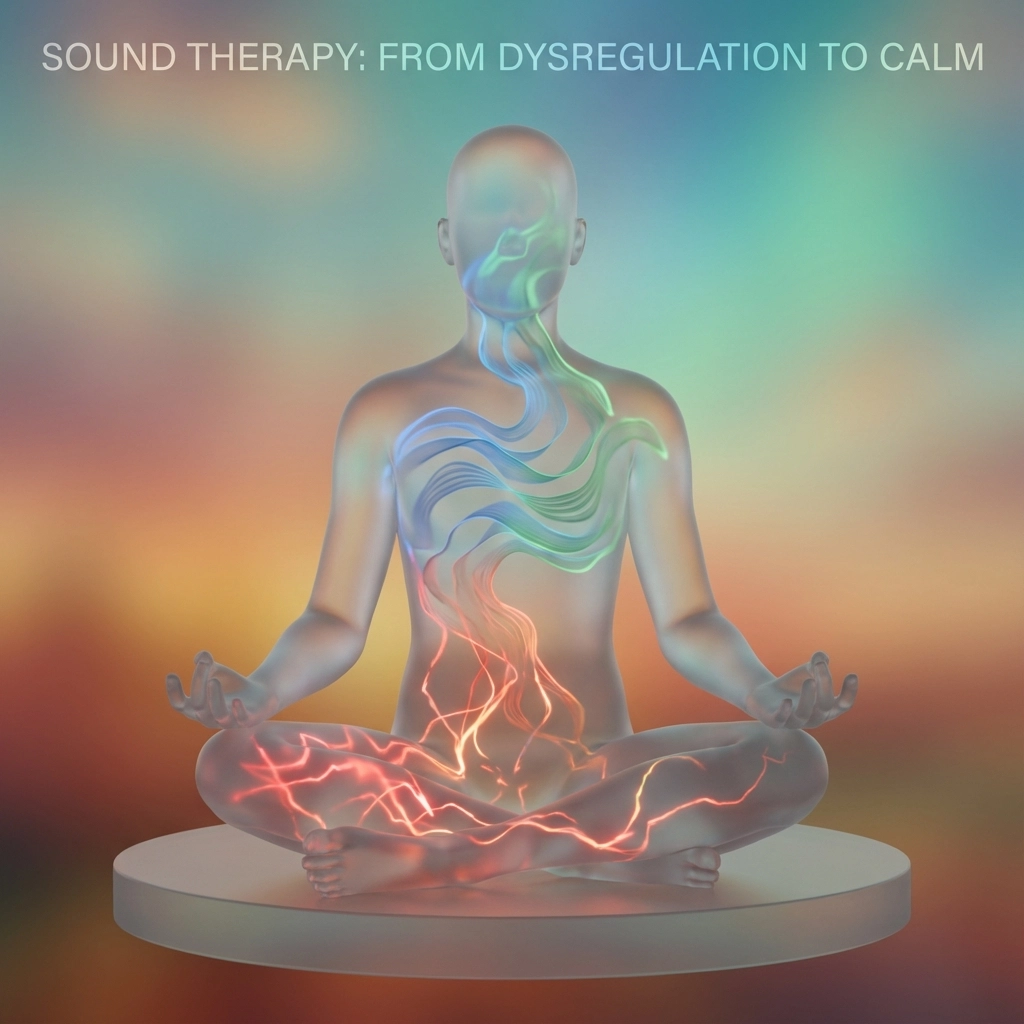
When Trauma and Anxiety Hijack Your System
During traumatic experiences or chronic anxiety, something profound happens in your nervous system. That internal security system gets stuck in "danger mode," even when you're actually safe.
Imagine your nervous system as a smoke detector that becomes hypersensitive after a real fire. Now it goes off every time you make toast. That's what happens with trauma: your system starts interpreting neutral situations as threatening.
Research shows that trauma survivors often get trapped in what's called the "dorsal vagal state": characterized by disconnection, numbness, and that feeling of being "frozen" or shut down. Others remain stuck in chronic hypervigilance, with their fight-or-flight system constantly activated.
This isn't a character flaw or weakness. It's your nervous system doing exactly what it was designed to do: protect you. The challenge? It doesn't know the danger has passed.
Enter Listening Therapy: Sound as Medicine
Here's where Listening Therapy becomes revolutionary. Instead of trying to "think your way out" of trauma responses, it works directly with your nervous system through specially engineered sound frequencies.
The most well-researched approach is the Safe and Sound Protocol (SSP), which uses filtered music that emphasizes the frequency range of human speech: specifically, the soothing, prosodic qualities we hear in a calm, caring voice.
Think about it: when someone speaks to you with warmth and safety, your nervous system naturally relaxes. Listening Therapy essentially recreates this experience through acoustic stimulation, helping retrain your auditory processing system to recognize cues of safety.
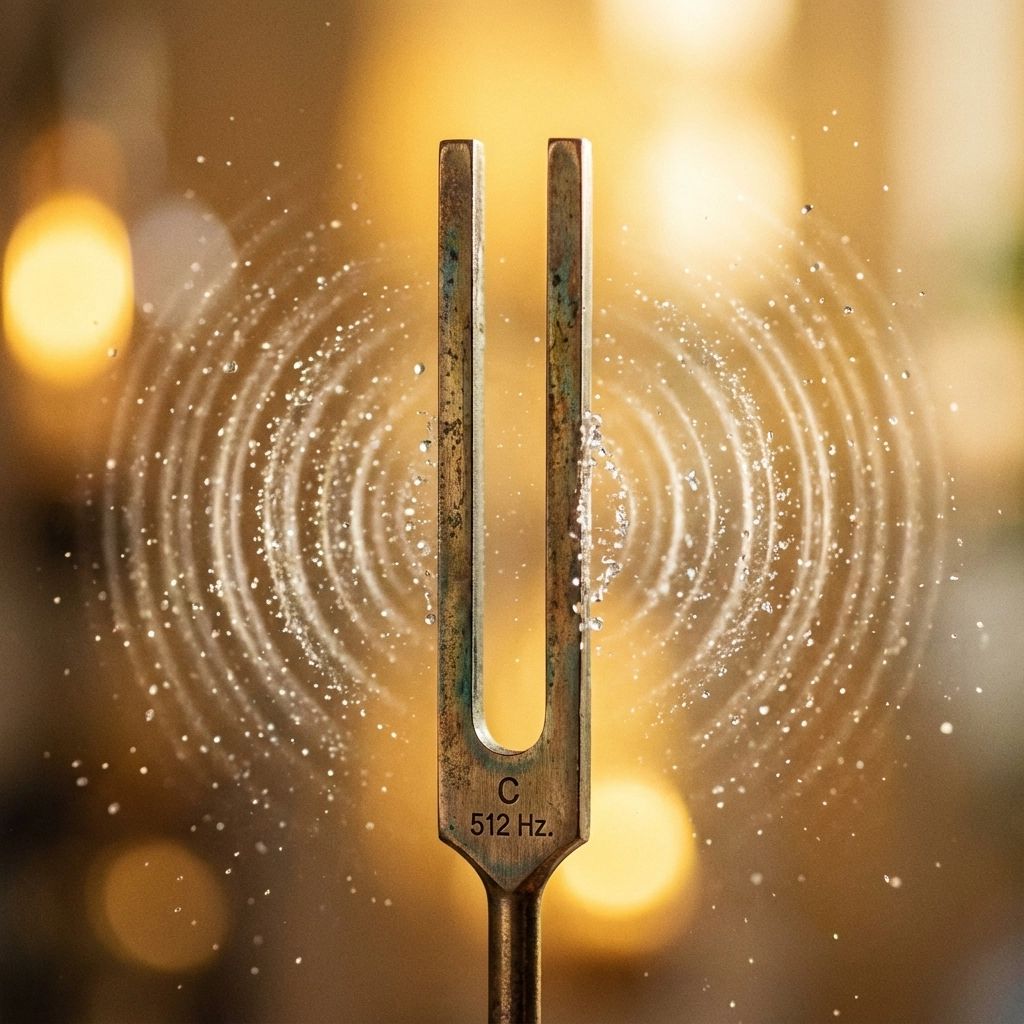
The filtered music activates your middle ear muscles and stimulates the vagus nerve branches connected to your social engagement system. Over time, this helps shift your nervous system from protective states toward connection and calm.
The Science Behind the Healing
When you listen to specially filtered music during Listening Therapy, several remarkable things happen in your body:
Vagal Tone Improvement: The treatment strengthens your vagus nerve's ability to regulate your heart rate, breathing, and digestive system. Better vagal tone means better stress resilience.
Social Engagement Activation: The acoustic input helps activate neural circuits that support face-to-face communication, emotional expression, and the ability to feel safe with others.
Autonomic Balance: Your nervous system learns to move more fluidly between states of activation and calm, rather than getting stuck in chronic stress or shutdown.
Neuroception Recalibration: Your body's threat detection system becomes more accurate, learning to distinguish between actual danger and safety.
Studies have shown that clients completing Listening Therapy protocols often experience reduced anxiety, improved sleep, better emotional regulation, and enhanced capacity for social connection.
Real Benefits for Trauma and Anxiety
Sarah, a client dealing with anxiety after a car accident, described her experience this way: "It was like my body finally exhaled after holding its breath for months. The filtered music didn't just relax me: it taught my nervous system that it was okay to feel safe again."
For trauma survivors, Listening Therapy addresses what Dr. Porges calls the core challenge: "Trauma compromises our ability to engage with others by replacing patterns of connection with patterns of protection."
Specific benefits include:
Reduced hypervigilance and that constant feeling of being "on edge"
Improved emotional regulation without feeling overwhelmed by feelings
Better sleep quality as your nervous system learns to truly rest
Enhanced social connection and comfort with intimacy
Decreased anxiety symptoms and panic responses
Greater resilience to daily stressors
The beauty of this approach? It works with your body's natural healing capacity rather than against it. You're not forcing yourself to "get over" trauma: you're giving your nervous system the support it needs to naturally return to regulation.
A Gentle Path Forward
Picture a cat that's been startled: it doesn't rationalize its way back to calm. It needs time, space, and gentle reassurance before its nervous system settles. Humans aren't so different.
Listening Therapy offers that gentle reassurance directly to your nervous system. It's like having a skilled therapist speak the language your body understands: the language of safety, connection, and regulated calm.
Here in Montreal, we've seen how this approach complements other somatic therapies, creating a foundation of nervous system regulation that makes other healing work more effective. When your body feels safe, your mind becomes more open to growth and change.
Ready to Help Your Nervous System Find Its Way Home?
If you're tired of feeling stuck in survival mode, if anxiety has been running the show, or if trauma has left you feeling disconnected from yourself and others, Listening Therapy might be the missing piece in your healing journey.
Your nervous system has an incredible capacity for healing: it just needs the right support. Through the gentle power of sound and the wisdom of Polyvagal Theory, you can help your body remember what safety feels like.
Ready to take the first step?Book a consultation with our team at NeuroSomatic Therapy today. Let's explore how Listening Therapy can support your unique path to healing. Because you deserve to feel safe in your own body again.
Votre système nerveux mérite la paix( your nervous system deserves peace.)

Comments