
Managing Change: How the Brain Navigates Transitions

Updated: Jan 22
Life is a series of transitions. From waking up each morning to changing seasons, from career shifts to relationship changes – our brains are constantly adapting to new circumstances. Yet despite change being the only constant, most of us struggle with transitions.
Why does something so fundamental feel so challenging? The answer lies in how our nervous system processes change and what we can do to support smoother transitions based on neuroscience.
Your Brain on Change: The Science Behind the Struggle
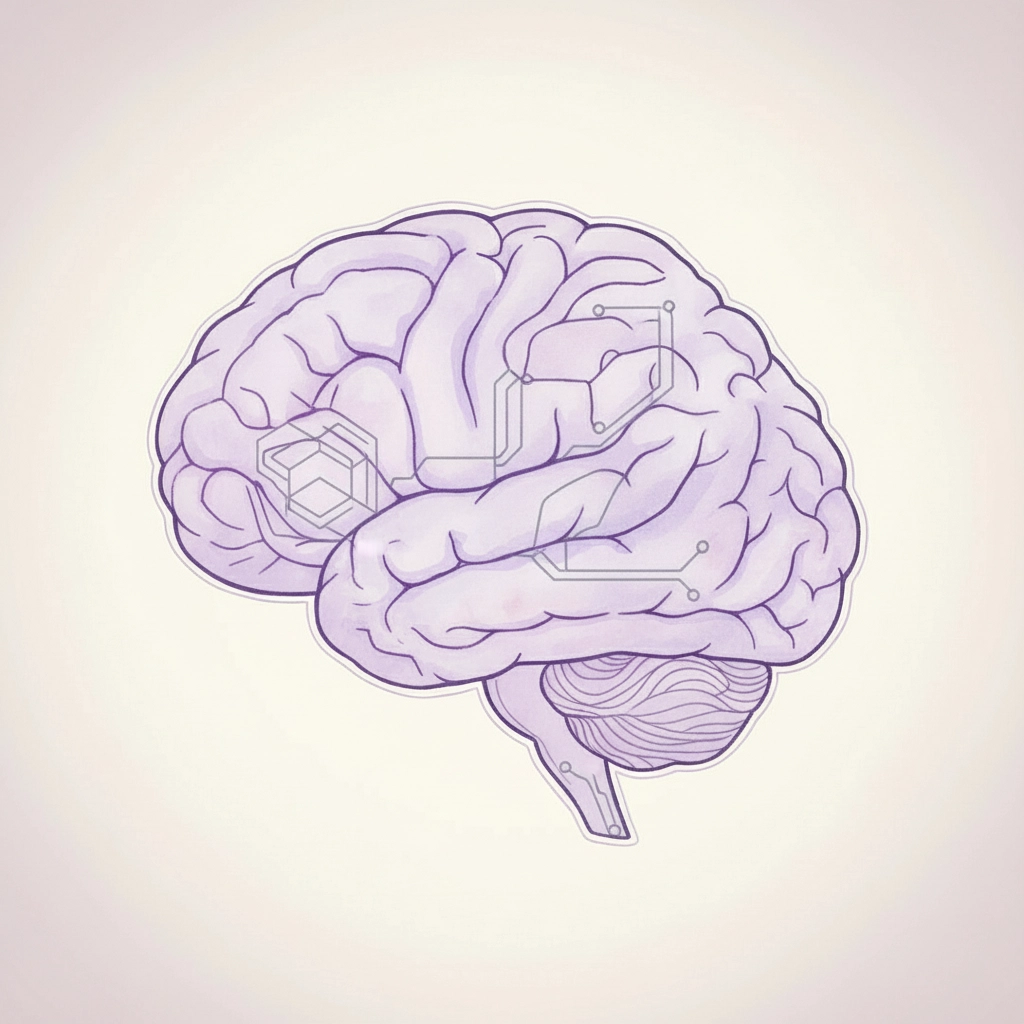
During transitions, the prefrontal cortex increases predictive processing while the amygdala and related salience networks increase threat detection. This elevates cognitive load and arousal.
Common signs consistent with this state include:
Mental fatigue
Emotional reactivity or blunting
Increased muscle tension or reduced interoceptive clarity
Sleep or appetite changes
Ces sensations ne sont pas dans votre tête – they reflect measurable nervous system responses to uncertainty.
The Body's Experience of Change
Transitions are associated with shifts in interoception, autonomic balance, and muscle tone. Common patterns include:
Bracing: shoulder elevation, jaw clenching, shallow respiration
Collapse: reduced energy, slumped posture, heaviness
Hypervigilance: scanning, startle responses, difficulty relaxing
These patterns are adaptive outputs of the nervous system during uncertainty.
The Transition Paradox: Why Fighting Change Makes It Harder

Resistance to change increases sympathetic activation and stress hormone release, which can impair working memory, sleep, and pain modulation.
Orienting to change as expected rather than threatening reduces defensive prediction and supports flexible adaptation.
Transition Neurobiology

During life transitions, the brain updates its internal model of the world through predictive processing and allostasis. The prefrontal cortex, insula, anterior cingulate, brainstem, and cerebellum collaborate to minimize prediction error while the autonomic nervous system adjusts arousal and energy.
Key mechanisms during transition:
Interoception and the insula: improving body-sensing provides higher-fidelity signals for regulation, which can reduce anxiety during uncertainty.
Vagal tone and social engagement: balanced parasympathetic activity supports calm attention, sleep, and digestion while you adapt.
Sensorimotor integration: slow, precise movement refines cortical body maps, easing muscle guarding and chronic pain that often flare with change.
Hebbian and homeostatic plasticity: repetition plus rest consolidates new patterns without overactivation, supporting sustainable nervous system regulation.
Co-regulation: regulated nervous systems synchronize via breath, gaze, and voice, buffering stress in families and teams.
The Neuroscience of Resilient Transitions
Research shows that people who navigate transitions well share certain neurological patterns. Their brains demonstrate:
Enhanced neuroplasticity: The ability to form new neural pathways quickly Regulated stress response: Appropriate activation that returns to baseline efficiently Integrated processing: Good communication between rational and emotional brain centers
These capacities can develop through repeated learning with adequate rest. Adaptation remains possible across the lifespan.
When Transitions Get Stuck: Recognizing the Signs
Sometimes transitions become prolonged states of limbo rather than bridges to something new. Signs your nervous system might be stuck in transition include:
Chronic indecision or overwhelm lasting months
Physical symptoms without clear medical cause
Relationship patterns becoming repetitive or reactive
Work performance declining despite effort
Sleep or appetite disrupted for extended periods
If you recognize these patterns, it may be a signal to reduce demands, increase rest, and seek trusted support in your environment.
Embracing Impermanence
Recognizing change as a constant can reduce threat appraisal and support adaptive capacity—the ability to return to baseline and update predictions efficiently during transitions.
References
Friston, K. (2010). The free-energy principle: a unified brain theory? Nature Reviews Neuroscience, 11(2), 127–138.
Sterling, P. (2012). Allostasis: a model of predictive regulation. Physiology & Behavior, 106(1), 5–15.
Craig, A. D. (2009). How do you feel—now? The anterior insula and human awareness. Nature Reviews Neuroscience, 10(1), 59–70.
Porges, S. W. (2011). The Polyvagal Theory. W. W. Norton.
Kleim, J. A., & Jones, T. A. (2008). Principles of experience-dependent neural plasticity. Journal of Speech, Language, and Hearing Research, 51(1), S225–S239.
If this overview helped, save it for your next transition and share it with someone who might benefit.
Ready for support with a transition, Chronic Pain Relief, or stress and pain management? Book a free 15-minute call or schedule a Neurosomatic Therapy session (Somatic Therapy Montreal, France, or online): https://www.neurosomatic.org
Version Française: Le Changement est Permanent : Comment le cerveau navigue les transitions
La vie est une série de transitions. Du réveil chaque matin aux changements de saison, des évolutions de carrière aux changements relationnels – nos cerveaux s'adaptent constamment à de nouvelles circonstances. Pourtant, malgré le fait que le changement soit la seule constante, la plupart d'entre nous luttons avec les transitions.
Pourquoi quelque chose de si fondamental semble-t-il si difficile ? La réponse se trouve dans la façon dont notre système nerveux traite le changement et ce que nous pouvons faire pour soutenir des transitions plus fluides à la lumière des neurosciences.
Votre Cerveau en Transition: La Science Derrière la Lutte
Pendant une transition, le cortex préfrontal intensifie le traitement prédictif tandis que l’amygdale et les réseaux de saillance augmentent la détection de menace. Cela accroît la charge cognitive et l’activation.
Signes fréquents de cet état:
Fatigue mentale
Réactivité émotionnelle ou émoussement
Tension musculaire accrue ou clarté intéroceptive réduite
Changements de sommeil ou d’appétit
Ces sensations ne sont pas dans votre tête – elles reflètent des réponses mesurables du système nerveux à l’incertitude.
L'Expérience Corporelle du Changement
Les transitions s’accompagnent de modifications de l’intéropception, de l’équilibre autonome et du tonus musculaire, qui influencent la façon de traverser les changements ultérieurs.
Neurobiologie de la transition
Pendant les transitions de vie, le cerveau met à jour son modèle interne via le traitement prédictif et l’allostasie. Le cortex préfrontal, l’insula, le cortex cingulaire antérieur et le tronc cérébral coordonnent la régulation de l’énergie et de l’éveil pour réduire l’incertitude.
Mécanismes clés pendant une transition:
Interoception (insula): une meilleure perception corporelle fournit des signaux plus fiables pour la régulation, ce qui peut diminuer l’anxiété en période d’incertitude.
Tonus vagal et engagement social: une activité parasympathique équilibrée soutient l’attention calme, le sommeil et la digestion.
Intégration sensori-motrice: des mouvements lents et précis affinent les cartes corporelles corticales, réduisant les crispations et la douleur chronique qui s’exacerbent souvent lors du changement.
Plasticité hebbienne et homéostatique: la répétition alternée avec du repos consolide de nouveaux patterns sans suractivation, favorisant une régulation durable du système nerveux.
Co-régulation: des systèmes nerveux régulés se synchronisent (respiration, regard, voix), amortissant le stress dans les familles et les équipes.
Références
Friston, K. (2010). The free-energy principle: a unified brain theory? Nature Reviews Neuroscience, 11(2), 127–138.
Sterling, P. (2012). Allostasis: a model of predictive regulation. Physiology & Behavior, 106(1), 5–15.
Craig, A. D. (2009). How do you feel—now? The anterior insula and human awareness. Nature Reviews Neuroscience, 10(1), 59–70.
Porges, S. W. (2011). The Polyvagal Theory. W. W. Norton.
Kleim, J. A., & Jones, T. A. (2008). Principles of experience-dependent neural plasticity. Journal of Speech, Language, and Hearing Research, 51(1), S225–S239.
Si cet aperçu vous a aidé, enregistrez-le et partagez-le avec une personne qui en aurait besoin.
Prêt·e à être accompagné·e pour une transition, la gestion du stress et de la douleur, ou le soulagement de la douleur chronique? Réservez un appel découverte gratuit de 15 minutes ou une séance de NeuroSomatic Therapy à Montréal, en France, ou en ligne : https://www.neurosomatic.org

Comments