
Neuroscience of Burnout: What Happens in the Brain and How You Can Heal
- davidpartnertech
- 2 days ago
- 4 min read

It's November in Montreal, and you're staring at your computer screen at 3 PM, feeling like your brain is wrapped in cotton. You've had three cups of coffee, but the words on your screen blur together. Your shoulders ache, your jaw is clenched, and that familiar knot in your stomach whispers: something's not right.
If this sounds familiar, you're not alone. Burnout isn't just "being stressed": it's a neurobiological condition that literally reshapes your brain. But here's the encouraging news: understanding what's happening in your neural circuits is the first step toward healing.
What Burnout Actually Does to Your Brain
When chronic workplace stress goes unmanaged, it triggers measurable changes throughout your brain structure and function. Let's break down what science tells us is happening under the hood.
Your Amygdala Goes into Overdrive
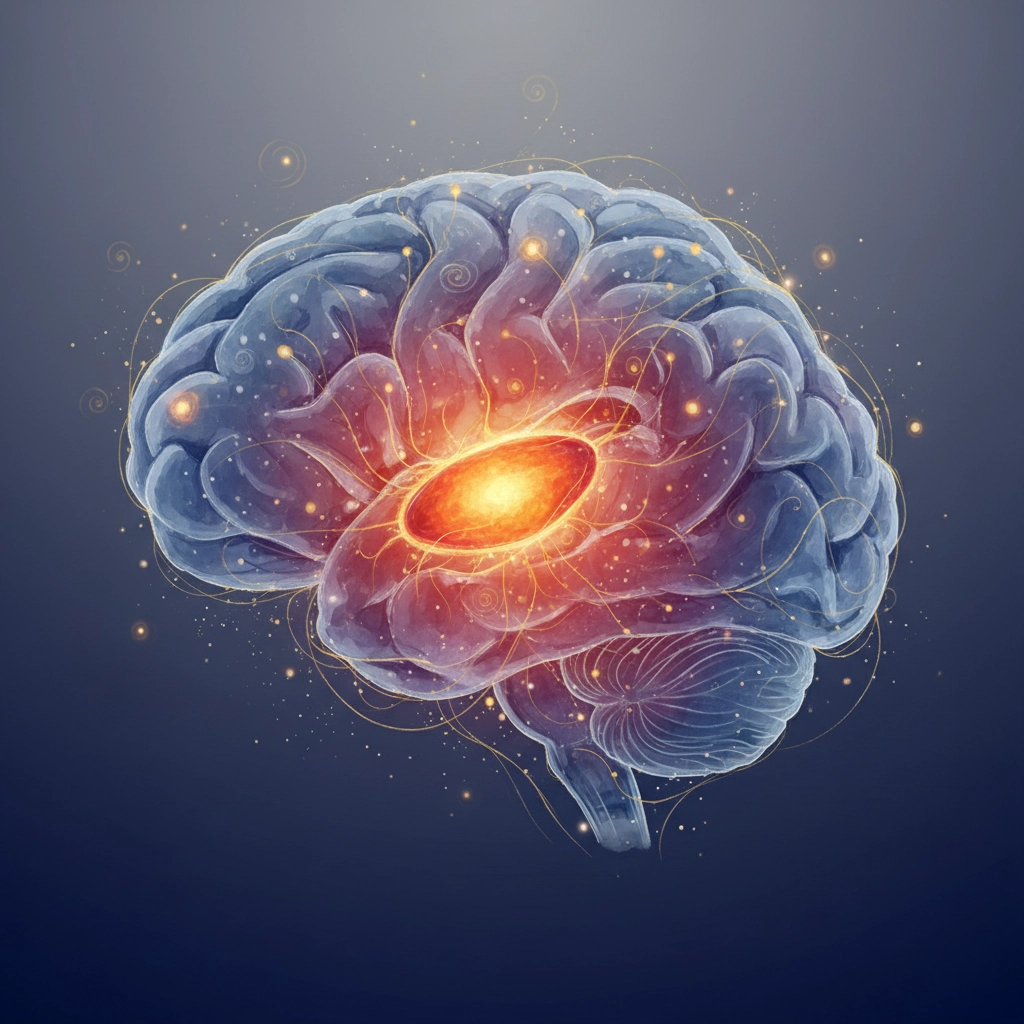
The amygdala: your brain's alarm system: becomes enlarged and hyperactive during burnout. Research shows that this enlarged amygdala becomes disconnected from your anterior cingulate cortex, the region responsible for emotional regulation.
Think of it this way: your smoke detector is stuck on high sensitivity, going off every time someone makes toast. Meanwhile, the part of your brain that should say "it's just toast, relax" has gone offline.
This is why everything feels overwhelming when you're burned out. Your colleague's email tone sounds aggressive. The grocery store feels too bright, too loud. Your nervous system is scanning for threats everywhere.
Your Prefrontal Cortex Shrinks
The prefrontal cortex: your brain's CEO responsible for planning, decision-making, and impulse control: experiences pronounced thinning during burnout. This explains why you might find yourself:
Struggling to prioritize tasks that used to be automatic
Making uncharacteristic mistakes or poor decisions
Feeling emotionally reactive in ways that surprise you
Unable to think strategically about problems
Research from Biological Psychiatry demonstrates that occupational stress literally reduces the volume of brain tissue in regions critical for executive function.
Your Memory Center Takes a Hit
The hippocampus, essential for memory formation, shrinks under prolonged stress. This is why you might walk into a room and forget why you came, or blank on familiar names during meetings. It's not early dementia: it's your brain under siege.
Your Motivation Circuits Shut Down
Perhaps most devastatingly, the striatum: particularly areas that produce dopamine: shows significant volume reduction in burnout patients. Dopamine drives motivation, reward processing, and that sense of satisfaction when you complete tasks.
Without adequate dopamine function, even small tasks feel insurmountable. You lose interest in activities you once enjoyed. Work becomes a slog rather than a source of accomplishment. This isn't laziness; it's neurochemistry.
Why Your Body Keeps the Score
Burnout doesn't just live in your head: it rewires your entire nervous system. When chronically stressed, your sympathetic nervous system (fight-or-flight) becomes hyperactive while your parasympathetic system (rest-and-digest) goes dormant.
Dr. Stephen Porges' Polyvagal Theory explains that when our nervous system perceives chronic threat, it prioritizes survival over sophisticated thinking. This is why you might feel simultaneously wired and exhausted, or find yourself snapping at loved ones over minor irritations.
Your body is doing exactly what it's designed to do: protect you from danger. The problem is that your nervous system can't distinguish between a charging tiger and a passive-aggressive email from your boss.

The Neuroscience of Recovery: Your Brain Can Heal
Here's where the story gets hopeful. Neuroplasticity: your brain's ability to reorganize and form new neural connections: means these changes aren't permanent. Studies show that with proper intervention, the structural and functional changes of burnout can be reversed.
But recovery requires a specific approach. You can't think your way out of burnout because the thinking parts of your brain are compromised. Instead, healing must start with nervous system regulation.
The Polyvagal Reset: A Science-Based Practice
This simple technique, based on Dr. Porges' research, helps activate your parasympathetic nervous system and begin the healing process:
The 5-4-3-2-1 Nervous System Reset:
Look around and name 5 things you can see. Really look: notice colors, textures, details.
Touch 4 different textures around you. Your sweater, the cool surface of your desk, the smooth screen of your phone.
Listen for 3 distinct sounds. The hum of your computer, distant traffic, your own breathing.
Notice 2 scents in your environment. Coffee, hand soap, fresh air from an open window.
Take 1 deep breath that's longer than usual, focusing on making your exhale longer than your inhale.
This isn't just mindfulness fluff: it's neuroscience in action. By engaging your senses, you're sending signals to your vagus nerve that you're safe, gradually shifting your nervous system out of survival mode.
The Path Forward: NeuroSomatic Healing
Recovery from burnout requires more than rest (though rest is crucial). It demands a comprehensive approach that addresses both the neurological and somatic aspects of stress.
NeuroSomatic therapy approaches recognize that trauma and chronic stress live in both the brain and the body. By working with both neural pathways and somatic awareness, you can:
Restore healthy amygdala function and emotional regulation
Rebuild prefrontal cortex capacity for clear thinking
Reactivate your body's natural relaxation response
Develop resilience against future stress
For those in Montreal seeking somatic therapy or chronic pain relief, approaches that integrate nervous system science with body-based healing offer profound hope for recovery.
Your Brain Wants to Heal
The most important thing to understand about burnout is this: it's not a character flaw, and it's not permanent. Your brain's incredible capacity for change means that with the right support and practices, you can rebuild your cognitive function, emotional regulation, and zest for life.
The neural changes that created your burnout can be reversed through the same neuroplasticity that allows us to learn new languages, master instruments, or adapt to major life changes. Your brain is literally designed to heal.
Ready to Transform Chaos into Calm?
If you recognize yourself in this description, you don't have to navigate recovery alone. Our Chaos to Calm program combines cutting-edge neuroscience with practical somatic techniques to help you rebuild your nervous system resilience.
Whether you're dealing with chronic stress, persistent pain, or the exhaustion that comes from months of running on empty, this program offers science-based tools for genuine healing.
Vous méritez de retrouver votre vitalité. You deserve to reclaim your vitality.
Register for Chaos to Calm today and discover how NeuroSomatic approaches can help you heal from burnout at the cellular level. Your future self will thank you.
Dr. Joana Talafré is the director of NeuroSomatic Therapy, specializing in the intersection of neuroscience and somatic healing for stress and pain management in Montreal.
Comments